How to Teach Sushi Go! to Kids: Tips for Family Game Night
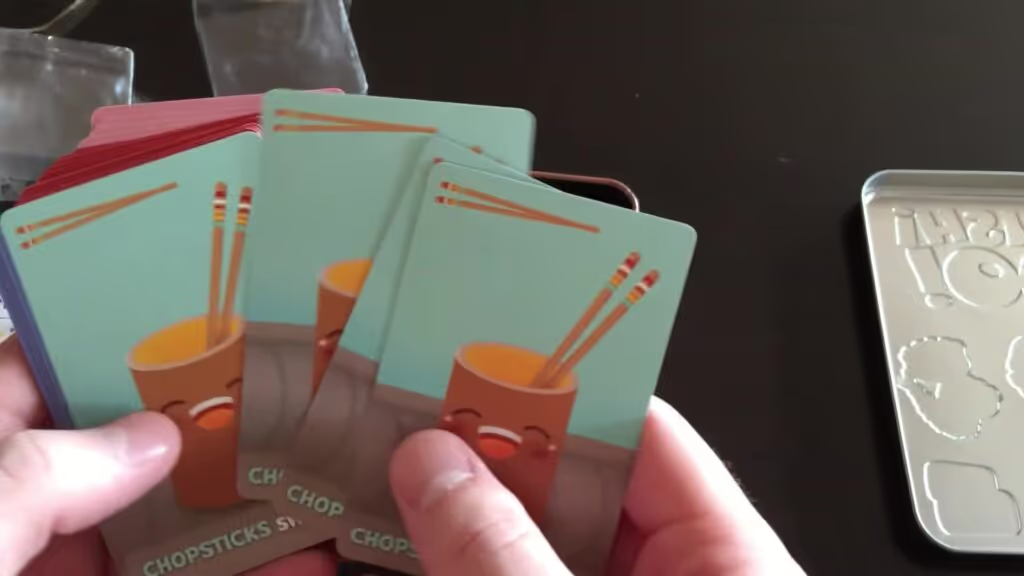
Players holding Sushi Go! cards with chopsticks and a smiling cup illustration.
Family game nights are a cherished tradition in our household, and one game that always brings smiles to the table is Sushi Go!. As a parent and an avid board game enthusiast, I’ve found that Sushi Go! is not only a blast to play but also an excellent way to teach kids strategy, counting, and decision-making. If you’re wondering how to introduce Sushi Go! to your kids or students, I’m here to share my tried-and-true tips to make the experience fun, engaging, and stress-free.
Teaching Sushi Go! to kids can be a fun and engaging way to spend family game night! Start with this simplified Sushi Go! how-to-play guide to help them grasp the basics. Once they’re comfortable, boost their skills with this Sushi Go! strategy guide to help them win every time. If you’re curious about why Sushi Go! is such a hit with families, check out this review of the game to see why it’s worth your time. For more family-friendly options, explore these 10 board games like Sushi Go! or discover the best cheap cooperative board games. Did you know Sushi Go! is also a great travel game? Learn why it’s perfect for on-the-go fun here. For a creative twist, host a Sushi Go!-themed party with these fun ideas for food and decor. Finally, educators can even use Sushi Go! as a teaching tool for math and strategy.
Why Sushi Go! is a Hit with Kids
Sushi Go! has become a staple in our family game nights because it’s quick to learn, visually appealing, and packed with opportunities for laughter and friendly competition. The game’s adorable sushi-themed artwork instantly draws kids in, and the simple “pick-and-pass” mechanic keeps them engaged. Plus, it’s a fantastic way to sneak in some learning—kids practice counting, pattern recognition, and strategic thinking without even realizing it.
if you like sushi go game you should read our post best cheap cooperative board games , also see our guide how To Play Sushi Go and our Sushi Go! Card Game Review
When I first introduced Sushi Go! to my 6-year-old, I wasn’t sure if she’d grasp the rules. But within minutes, she was giggling over the dumpling cards and proudly declaring, “I’m going to win all the maki rolls!” Seeing her excitement reminded me why this game is such a gem for families and educators alike.
Tips for Teaching Sushi Go! to Kids
1. Start with the Basics
When teaching Sushi Go! to kids, simplicity is key. Begin by explaining the core concept: everyone is trying to create the best sushi meal by collecting cards that score points. Use the illustrations on the cards to make it relatable. For example, show them how nigiri cards are like individual pieces of sushi, while maki rolls are stacked high with delicious toppings.
I found it helpful to focus on one or two card types at first. During our first game, we only used nigiri and maki rolls. Once my daughter got the hang of those, we gradually introduced wasabi and pudding. Breaking it down this way kept her from feeling overwhelmed and allowed her to build confidence as she learned.
2. Turn the Game into a Story
Kids love stories, and Sushi Go! lends itself perfectly to imaginative play. I like to frame the game as a sushi feast where we’re all chefs trying to create the most delicious meal. For example, I’ll say, “Oh no! The conveyor belt is bringing us the last piece of salmon nigiri—quick, grab it before it’s gone!”
This storytelling approach not only makes the game more engaging but also helps kids understand the mechanics. When I explained wasabi as a “magic spice” that makes nigiri extra tasty (and worth more points), my daughter immediately understood its value and started using it strategically.
3. Play a Practice Round
Before diving into a full game, I always recommend playing a practice round. Deal a small hand of cards (3-4 per player) and walk through each turn together. Show them how to pick a card, pass the rest, and explain why you’re choosing certain cards over others.
During our first practice round, I made a point to celebrate my daughter’s choices, even if they weren’t the most strategic. “Great job picking that maki roll! You’re going to have the tallest sushi tower!” This positive reinforcement kept her excited and motivated to learn more.
4. Keep the Energy High
Kids thrive on energy and excitement, so I always try to keep the game lively. We use a timer to keep things moving quickly, and I encourage everyone to make silly sound effects when passing cards. (My personal favorite is pretending to “gobble up” the dumpling cards with exaggerated chewing noises.)
Friendly competition also adds to the fun. I’ll say things like, “Who’s going to win the most maki rolls this round?” or “I see someone’s collecting a lot of dumplings—watch out!” This playful banter keeps everyone engaged and laughing.
5. Adapt the Game for Younger Kids
If you’re playing with very young children, don’t be afraid to simplify the rules. For example, you can skip the pudding cards at first, as their scoring can be a bit tricky. You can also play with open hands so you can guide kids through their choices.
In our family, we sometimes shorten the game to just one or two rounds to keep it from feeling too long. This way, even my youngest can join in without losing interest.
6. Make It Educational
One of the things I love most about Sushi Go! is how it seamlessly blends fun and learning. The game is a great way to practice math skills, as kids count points, add up scores, and compare numbers. It also teaches strategic thinking, as they learn to anticipate which cards might come next and plan their moves accordingly.
I’ve even used Sushi Go! to teach my daughter about sportsmanship. We talk about how it’s okay to feel disappointed if you don’t win, but it’s important to celebrate others’ successes too. These little life lessons make the game even more valuable.
7. End on a High Note
When the game is over, I always make sure to celebrate everyone’s achievements. Whether it’s collecting the most dumplings or using wasabi to score a big combo, I point out what each player did well. Sometimes, we even hand out small rewards, like stickers or a special treat, to make the experience extra memorable.
After our first game, my daughter proudly declared, “I’m the sushi champion!” Seeing her confidence and joy reminded me why family game nights are so special.
Final Thoughts
Teaching Sushi Go! to kids is all about keeping it simple, fun, and engaging. By breaking down the rules, turning the game into a story, and celebrating small wins, you can create a memorable experience that kids will want to repeat again and again. Whether you’re a parent looking for a new family game night favorite or an educator searching for a way to teach strategy and math skills, Sushi Go! is a deliciously fun option.
So, grab your deck, gather the kids, and get ready for a sushi feast filled with laughter and learning. And if you have any tips or stories about playing Sushi Go! with kids, I’d love to hear them—share your experiences in the comments below!
Editorial Standards
We never accept payment for positive reviews. Affiliate links support our work at no cost to you. All games are tested with our family before review.